Building responsible AI that people can understand,1 question2 and trust.3

Professor of Information Science, University of Bergen
Founder and Director, SFI MediaFutures

I study how AI shapes the news we read, the health information we trust and the food we choose.

Explore the research See the impact

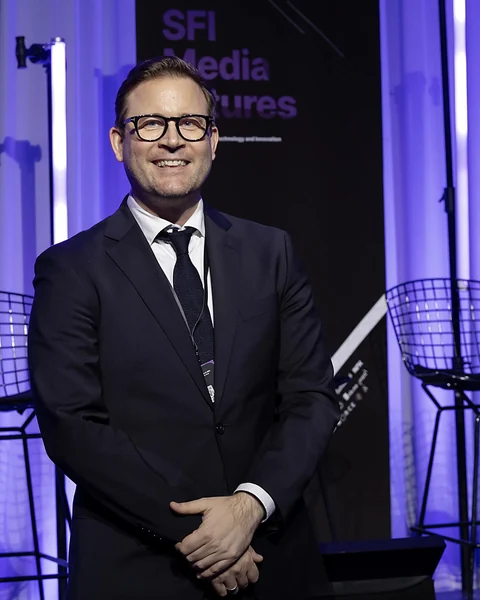
Christoph Trattner, Professor of Information Science at the University of Bergen
Christoph Trattner
Professor, founder, research leader
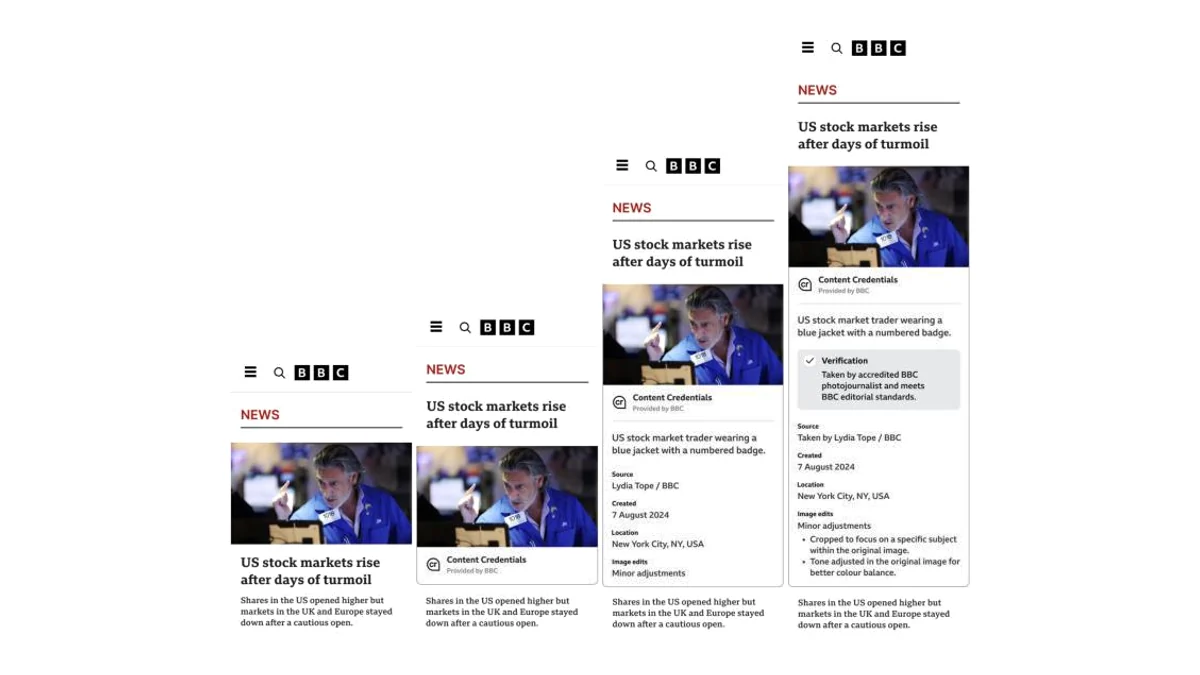
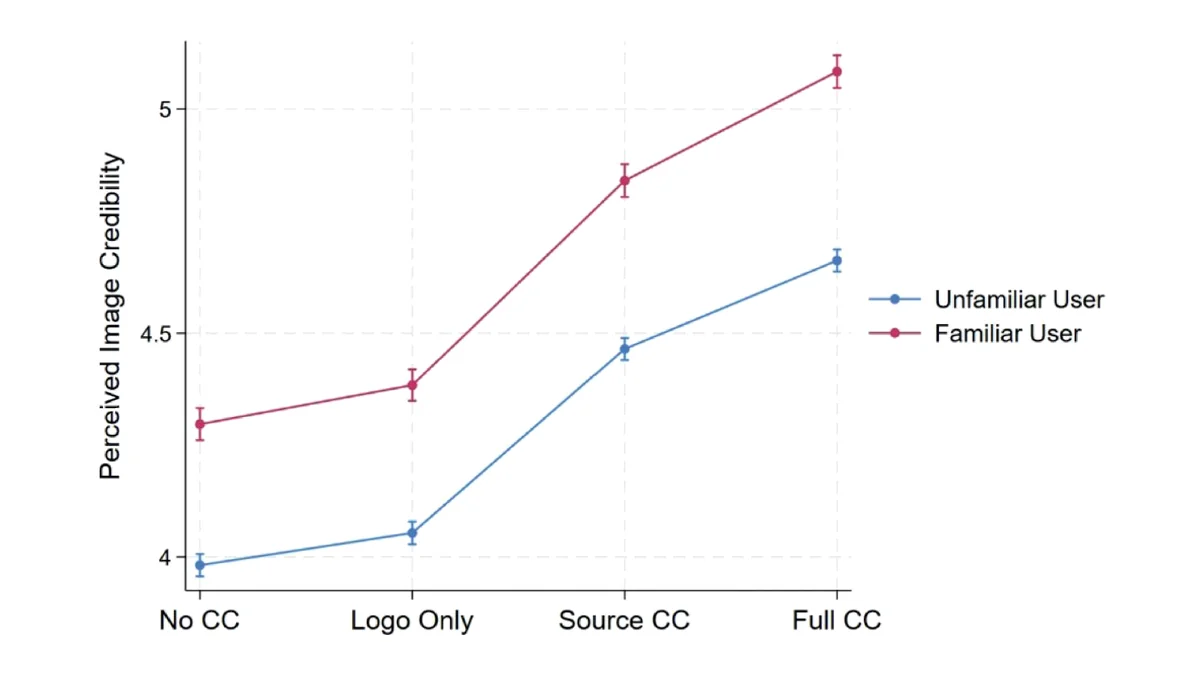
  1. 1Understand. Provenance labels show where a news image comes from. A three-country study of what that does to trust AAAI ICWSM, 2026
  2. 2Question. Researchers must be able to inspect, challenge and correct what AI contributes to science. Keep AI-augmented science contestable Science, 2026
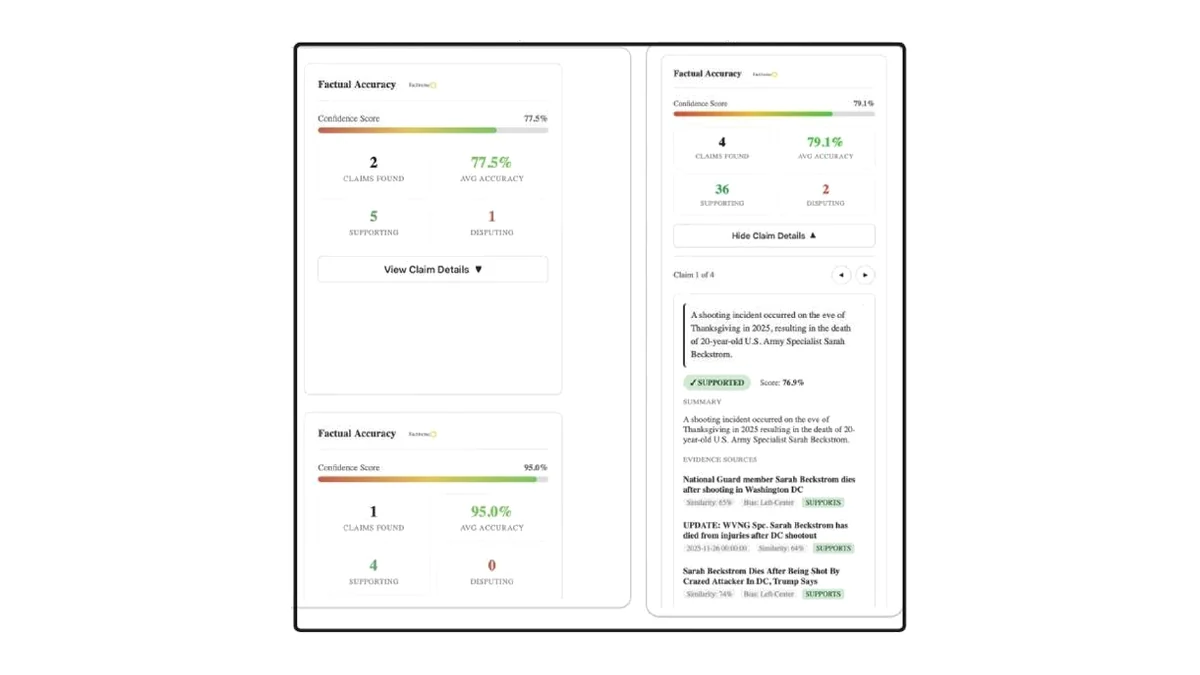
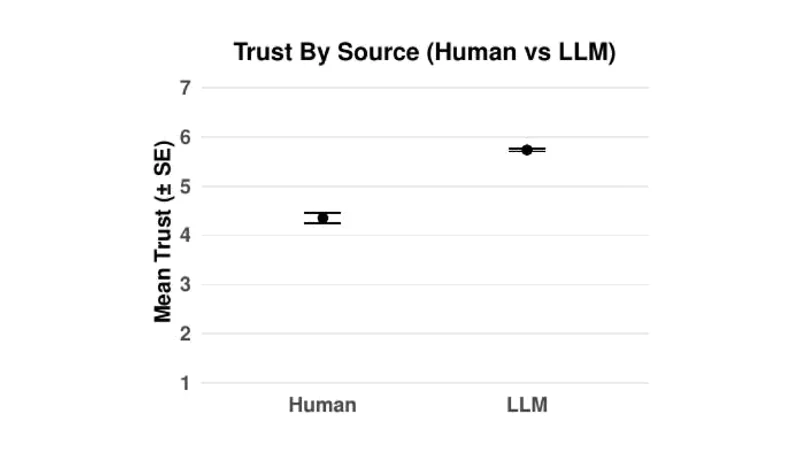
  3. 3Trust. Fact-checked language models for editors who work with personalised news systems. A study of editor trust ACM UMAP, 2026

Better answers with AI. But are we learning?

Higher scores. A confident verdict. What would you check?

A question from my research

90 seconds, one fictional case

The claim

“Using an AI tutor improves what students can do on their own a week later.”

An illustrative AI-style reply

Supported.

“The AI group’s average score was 20% higher. That shows the tutor improved their lasting learning.”

Try the 90-second case

The study and the reply are fictional, written for this demonstration.

News & events

Recent writing, research and public events.

Recent event

Press & Opinion

Selected essays, commentary and independent coverage, organised by topic. Explore the selection

Selected recent studies

Four studies on news, trust and AI-generated advice. The full publication record includes earlier research and scholarly commentary.

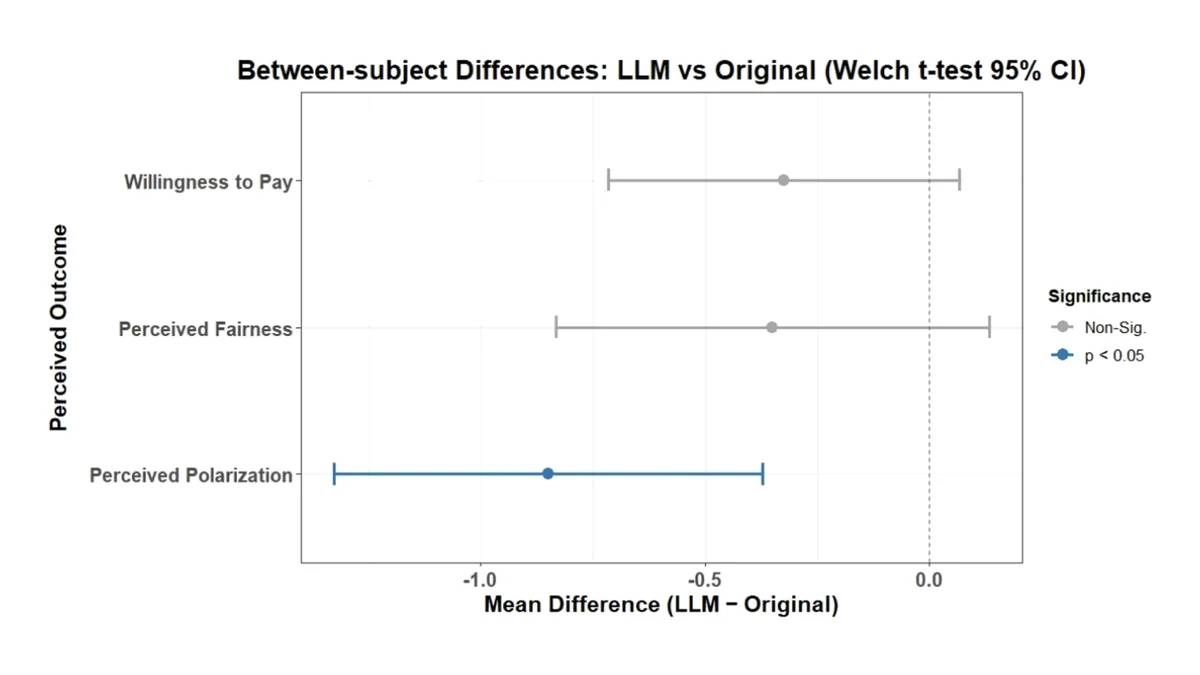
Can reframing news reduce perceived polarisation?

Reducing Perceived Polarization through Affect-Balanced News Reframing

Three studies examine fear–hope reframing, perceived polarisation, emotional responses and engagement-related outcomes.

ACM RecSys 2026, news recommendation

How does fact-checked AI affect editors’ trust?

Increasing Editor Trust in News Personalization Systems with Fact-checked Large Language Models

A study of fact-checked language-model support for editors using personalised news systems.

ACM UMAP 2026, news personalisation

Do provenance labels change trust in news?

C2PA Provenance Labels Increase Trust in Digital News Platforms Across Western Countries

A cross-country study of how displaying content provenance labels affects trust in digital news platforms.

AAAI ICWSM 2026, trust and provenance

Can users spot nutritional flaws in AI-generated recipes?

Using AI as a Chef: Users Overlook Nutritional Flaws in LLM-Generated Recipes

A study of how people assess nutritional quality in recipes produced by large language models.

ACM UMAP 2026, food and generative AI

Evidence from real media settings.

I founded and direct SFI MediaFutures to connect responsible media AI research with newsroom practice, verification and recommendation.

The centre’s outcomes are collective achievements; my contribution combines research and scientific leadership with building the teams and partnerships behind the work.

The record

Core research domains: media and health. International academic and industry partnerships.

Peer-reviewed publications
150+
Years across research, applied AI and innovation
20+
Competitive funding secured or co-secured
NOK 650m+
National and European projects initiated, led or co-led
20+
Public datasets, code and prototypes
25+
Master’s students supervised or co-supervised
35+
PhD researchers supervised or co-supervised
10+
Conference programme committees
52

About Christoph

Christoph Trattner is Professor of Information Science at the University of Bergen and the founder and director of SFI MediaFutures, the Research Centre for Responsible Media Technology & Innovation: an eight-year programme of about EUR 26 million that brings together more than 100 people from research and the media industry.

His research asks what algorithms and AI do to human judgement: which news people read, which health claims they believe, what they choose to eat, and what they can still do on their own once the assistance is taken away. He established online food behaviour as a field of study, showing that eating habits and diet-related health problems can be inferred from online data and that the design of algorithms and interfaces can move people toward healthier and more sustainable choices.

He has published more than 150 peer-reviewed papers, with research in Nature Food, ACM RecSys and The Web Conference and commentary in Science, Nature and Nature Sustainability. He has initiated, led or co-led more than 20 national and European projects and secured or co-secured more than NOK 650 million in competitive funding. He is Principal Investigator of CuratedAI and VaccAI, and co-founder and leader of DARS, Norway’s largest research group on recommender systems.

Recognition

  • ACM Distinguished Speaker
  • ACM Senior Member, 2020
  • Finalist with the MediaFutures team, Research Council of Norway Innovation Award, 2026
  • Best Paper Award, Data & Knowledge Engineering 2023
  • Best Paper Honorable Mention, ACM DIS 2023 and The Web Conference 2017

Funding and awards in full

Core themes

  • Responsible media AI
  • health AI
  • food and nutrition
  • recommender systems
  • user behaviour
  • trust and transparency

Download the full academic biography