Research in practice.

Studies, newsroom collaborations and research environments: the evidence behind the work, and the people who make it possible.

Research cases Partner outcomes

Attribution matters. Large programmes such as SFI MediaFutures are collective achievements. This page distinguishes my personal role in vision, funding, research leadership and scientific contribution from the work led by individual work packages, researchers and partner organisations.

Studies I helped lead

My research involvement in studies, prototypes and evidence relevant to newsrooms and media platforms.

Research cases

Climate news, emotional framing

AI reframing that makes climate news feel more actionable

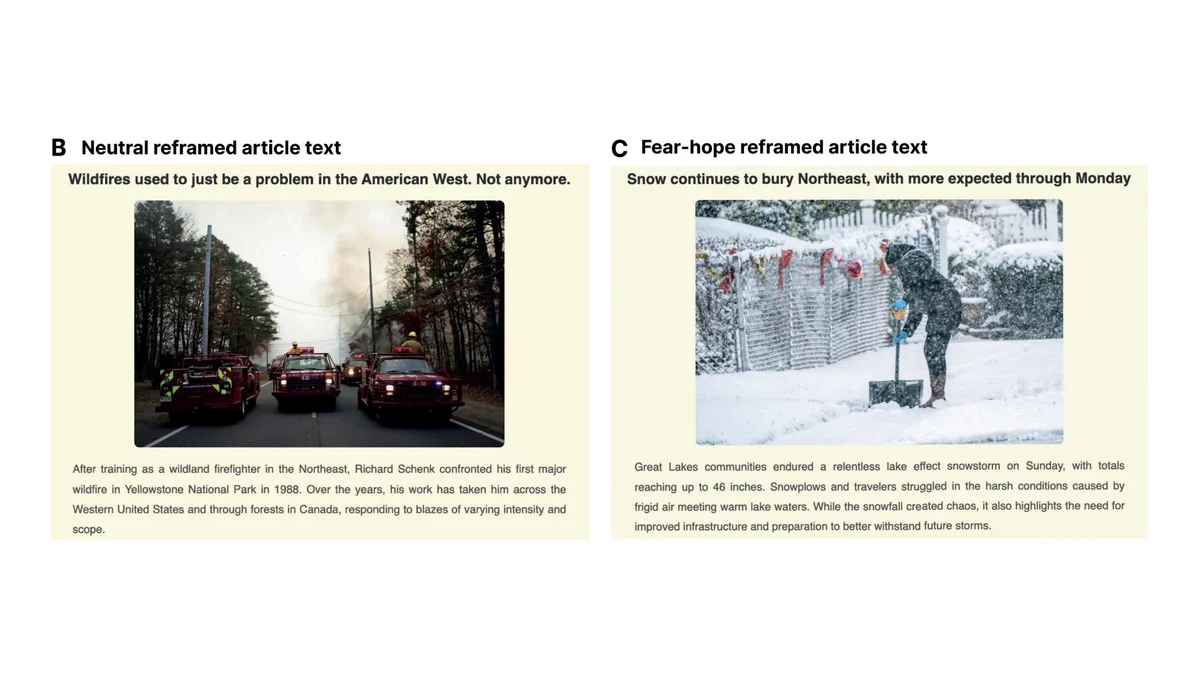
MediaFutures research tested whether GPT-generated emotional framing can make difficult climate-related news summaries less avoidable and more motivating. The work shows how responsible AI can support engagement without relying on simplistic clickbait or polarising emotional cues.

My role: Principal investigator of the study, co-author and senior researcher, contributing to the research agenda connecting LLM-generated summaries, news avoidance, recommender systems and pro-social engagement.
Related paper

Two versions of a news summary used in the study: a neutrally reframed article on wildfires and a fear-hope reframed article on a snowstorm
Neutral and fear-hope reframed articles used in the study. From the SFI MediaFutures Annual Report 2025, pp. 19–20

News avoidance, satire

Using AI-generated satire to reconnect avoidant news users

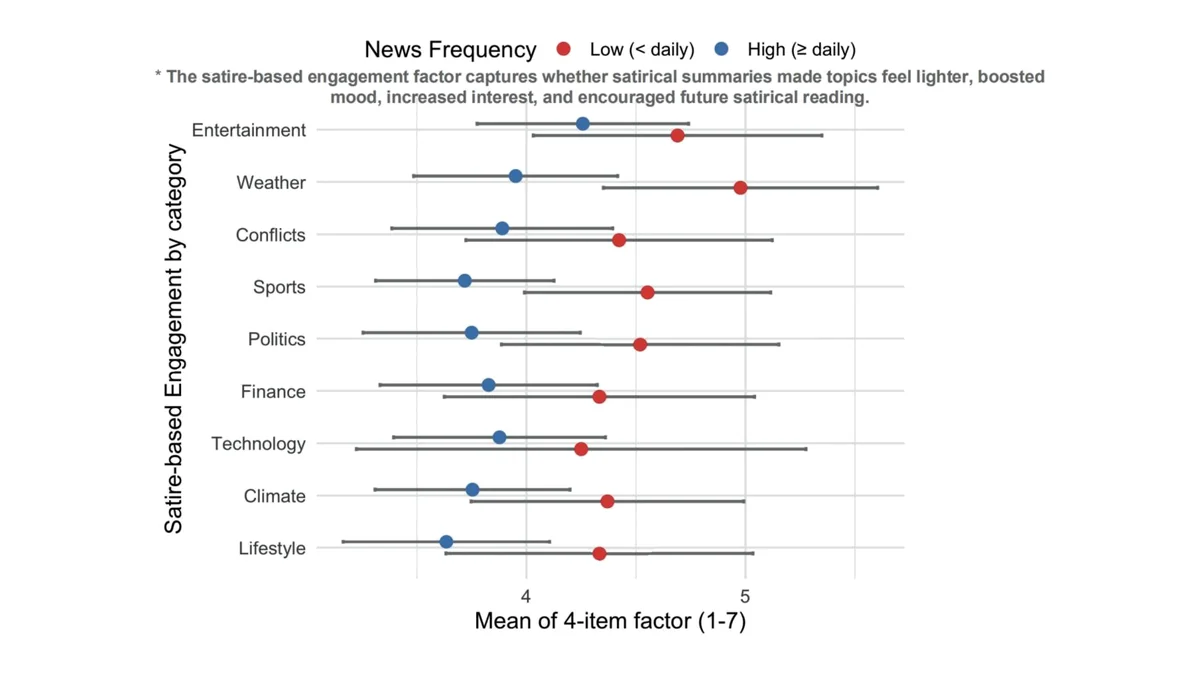
A MediaFutures study examined whether LLM-generated satirical summaries can make serious news topics more approachable while preserving perceived quality and informational value. The case demonstrates how recommender-system research can explore engagement beyond more-of-the-same personalisation.

My role: Principal investigator of the study, co-author and research supervisor, helping frame the work around news avoidance, responsible recommendation and human-centred evaluation.

Related paper

Dot plot of satire-based engagement in nine news categories, with less frequent news readers averaging higher than daily readers in each category
Satire-based engagement by news category and news frequency. From the SFI MediaFutures Annual Report 2025, p. 28

Project Reynir, C2PA

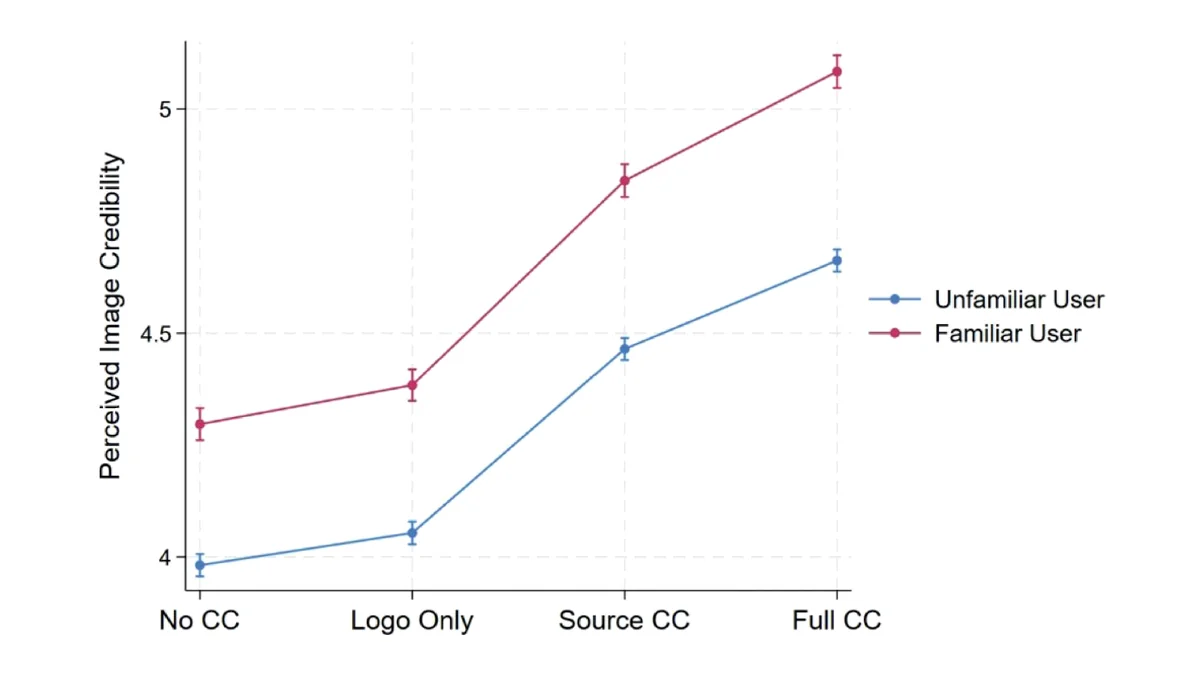
When people know the source of an image, they trust the news outlet more

A three-country study translated a technical authenticity standard into evidence about image credibility, source transparency and trust in news outlets. The case connects content provenance with concrete user evidence for newsroom and media-cluster innovation.

My role: Co-PI of Project Reynir and principal investigator of the user study; centre director and strategic link to the wider media-cluster initiative.

Related paper

Line chart of perceived image credibility across four label conditions, No CC, Logo Only, Source CC and Full CC, rising for both familiar and unfamiliar users
Perceived image credibility by label condition. From the SFI MediaFutures Annual Report 2025, p. 31

Collective outcomes with media partners

The cases below are selected collective outcomes from SFI MediaFutures. They show how a long-term research environment can connect evidence with editorial and production settings.

Selected partner outcomes

Faktisk.no, AFP, verification

Verification tools adopted beyond Norway

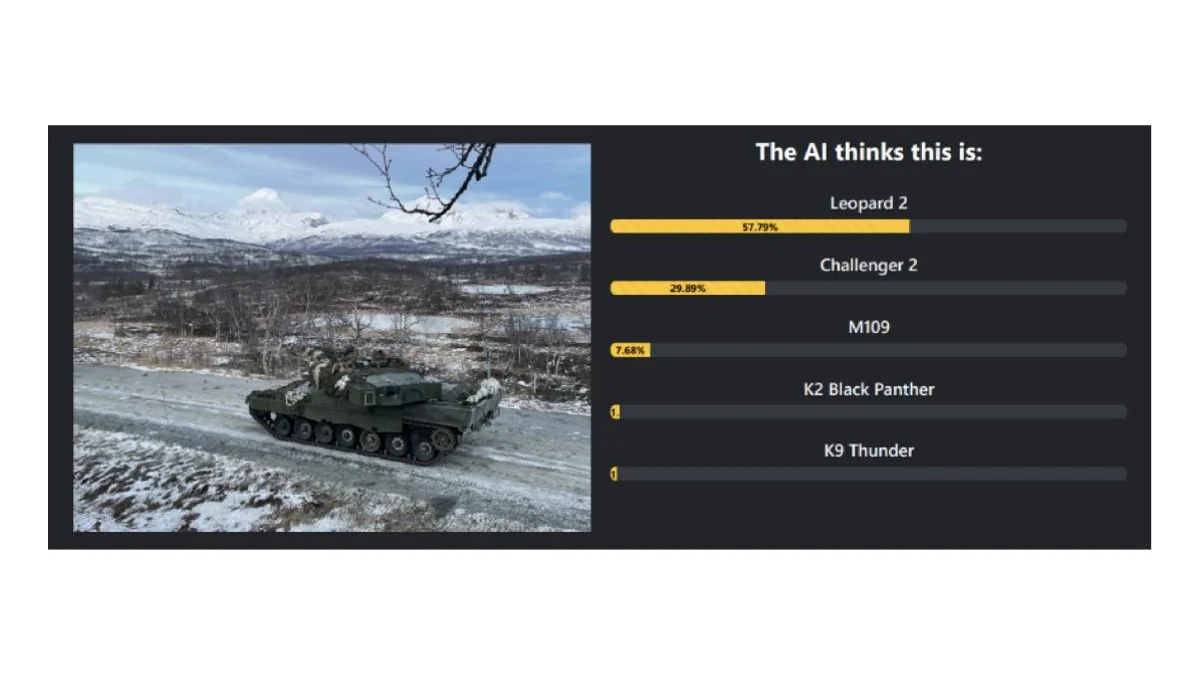
Verification technology developed in the centre, including the Tank Classifier and Language Checker, supported work at Faktisk.no and AFP.

My role: Centre-level strategy, partnership environment and research translation; tool development was led by the credited WP3 researchers and Faktisk.no collaborators.

Screen of the Tank Classifier prototype: a photograph of a tank in a snowy landscape beside the model’s ranked guesses, led by Leopard 2
The Tank Classifier prototype. From the SFI MediaFutures Annual Report 2023, p. 4

TV 2, recommendation

Responsible personalisation evaluated with partner data and users

Research on recommendation moved from modelling and prototypes into TV 2 pipelines, user studies and live-platform evaluation.

My role: Scientific contribution to responsible recommendation, centre leadership and development of the long-term TV 2 partnership.

TV 2
A re-ranker moves a less popular title up the list (illustration). The work is described in the SFI MediaFutures Annual Report 2023, p. 20

Editorial AI, production

AI that augments professional judgement

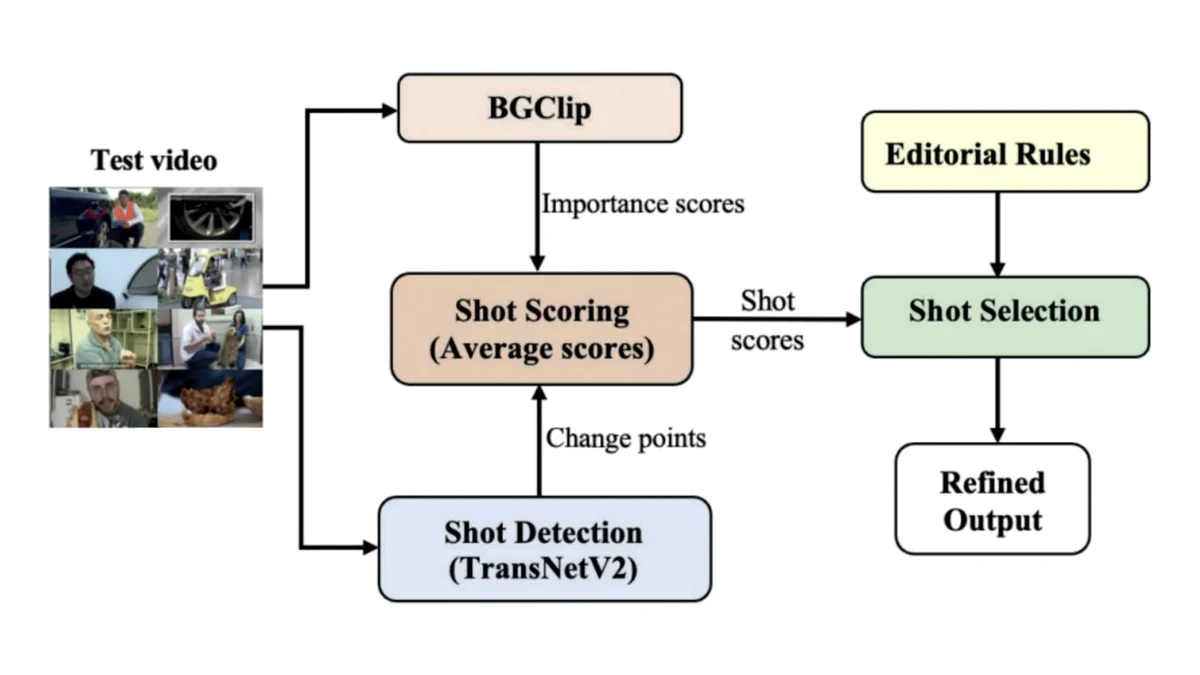
BGClip explored faster news-video production with editorial rules built in, while AiModerator investigated contextual support during political debates.

Attribution: BGClip was led by WP3. Context and fact support during political debates was led by WP4. My role was centre-level strategy, funding and partner-facing research infrastructure.

Diagram of the BGClip pipeline: a test video passes through shot detection and shot scoring, and editorial rules guide shot selection and the refined output
The BGClip pipeline, with editorial rules guiding shot selection. From the SFI MediaFutures Annual Report 2025, p. 18

From recipe research to public debate

A continuing research programme on how digital food information relates to health, sustainability and choice.

Food research, 2017–2023

  1. 2017

    How healthy are internet recipes?

    A cross-sectional study examined the nutritional quality of online recipes. Coverage in Der Standard, Kurier and BR brought the findings to wider audiences.

    Read the study

  2. 2019

    What online behaviour can reveal.

    A co-authored News & Views in Nature Sustainability considered what online data can tell us about eating habits.

    Read the commentary

  3. 2023

    Dinner, health and the environment.

    A Nature Food study compared 600 dinner recipes across three countries. Dagbladet covered the work, and Nature Food published a separate News & Views response.

    Read the research

My role: First author of the 2017 study and 2019 commentary; co-author of the 2023 study. Each contribution reflects the work of the credited research team. See coverage and bylines

The research behind the cases

Responsible media AI, recommender systems and computational food research provide the foundations for these studies and collaborations.

Building research environments

Research groups, programmes and partnerships provide continuity across individual projects.

Institution building

People and professional paths

Training, supervision, evaluation and public engagement extend the value of research well beyond individual projects.

People and professional influence

Talent moving into practice

Former research assistant Snorre Alvsvåg moved from MediaFutures into TV 2, illustrating how centre-based research experience can create pathways from applied AI research into industry practice.

PeopleMediaFuturesTV 2
From research assistant at MediaFutures to TV 2 (illustration)

Supervision and mentorship

Supervision and co-supervision of 35+ Master’s students and 10+ PhD researchers across Norway, Austria, Germany and international partner institutions, with an emphasis on intellectual independence, rigorous study design and publishable contribution.

The path

  1. Question
  2. Study
  3. Publication
  4. Next step

Expert evaluation and academic service

Independent expert review for the Research Council of Norway, EPSRC, FWO and NWO; senior programme-committee service at ACM SIGIR and ACM RecSys; manuscript review or editorial work for Nature Portfolio journals and UMUAI; and public engagement, including an invitation from the Norwegian government to participate in the UN Internet Governance Forum in 2025.

  • Keynotes
  • evaluation
  • editorial service
  • public debate

Service to the research community

Selected roles showing how the work extends into conference leadership, institutional governance, editorial responsibility and independent evaluation.

Leadership and service

One of five finalists for the Research Council of Norway’s Innovation Award

National recognition, 2026

The 2026 prize was awarded to Radionor Communications. Congratulations to the winners; being one of five finalists remains a meaningful recognition of the collaboration behind SFI MediaFutures.

Founding and leading MediaFutures has meant bringing researchers and the media industry together to develop responsible AI that supports trust, quality and innovation. I see this recognition as a shared achievement, made possible by our team, research and industry partners, and colleagues at the University of Bergen.

Research in the public conversation

Selected opinion pieces, interviews and responses on AI, journalism, learning and research policy. Authored commentary is kept distinct from independent coverage.

Documentation note. Claims in the MediaFutures direct research-to-practice and partner cases are based on peer-reviewed papers, project outputs and SFI MediaFutures Annual Reports 2020–2025. The framed visuals are excerpts from those papers, prototypes or reports. MediaFutures outputs remain collective achievements of the researchers and partner organisations credited in the underlying work.

Visit SFI MediaFutures   View my publication record

Research collaboration, strategic advice or invited speaking

I work with academic, public-sector and industry partners on responsible AI, recommender systems and computational user behaviour.

Discuss an engagement Explore research